

Loud Budgeting Hits TikTok: The Brash Money Talk Saving Young Guys Thousands in a Rigged Job Market
Scroll TikTok at 2 a.m., and you hit a video: a sharp-dressed 24-year-old White guy in a minimalist apartment, staring dead into the camera. "Month's rent: paid. Gym: non-negotiable. That $12 latte? Hard pass. I'm loud budgeting, boys – no shame in stacking cash." The comments explode: "Based," "Finally, real talk," "Saved me from Uber Eats last week." This is loud budgeting, the unapologetic finance flex sweeping Gen Z and young millennials, racking up 200 million views under #LoudBudgeting. It's not whispering about debt; it's shouting your frugal wins to hold yourself accountable and inspire the squad.

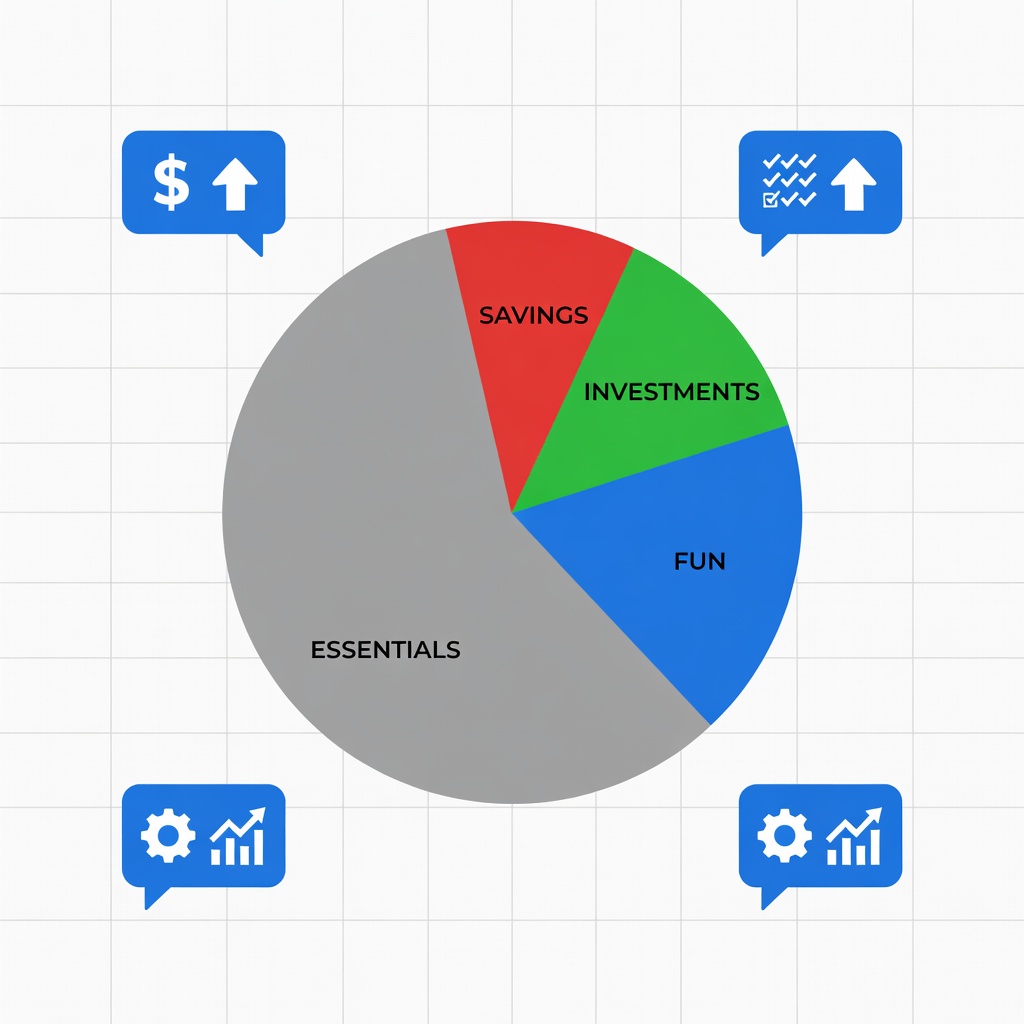
Unlike sneaky savings apps or silent spreadsheets, loud budgeting flips the script. Influencers like @budgetbrock (1.2M followers) post raw spreadsheets: 50% needs, 30% wants, 20% straight to Vanguard index funds. Followers duet with their versions, creating chain reactions of cutbacks. Real-world hook? U.S. personal savings rate dipped to 3.4% in July 2024 per Fed data, yet loud budgeters report 20-30% boosts in under three months via duets and comments. For young White and Asian men iced out of corporate gigs by DEI quotas and H1B floods, it's a raw survival tool in a 4.2% unemployment market skewed against them.
Why This Trend Is Igniting Right Now
Economic whiplash fuels the fire. Inflation cooled to 2.5% in August 2024, but rent jumped 5% year-over-year, and entry-level salaries stagnate at $55K median for college grads. TikTok algorithms push it because it slaps: short, relatable, motivational. Data from Sensor Tower shows finance content up 40% YoY, with loud budgeting leading as Gen Z distrusts banks (only 52% confidence per 2024 Deloitte survey). It's bro culture meets money smarts – think gym accountability partners, but for your wallet. One viral thread: a young Asian entrepreneur in Seattle shares skipping DoorDash for meal prep, netting $400/month redirected to Shopify store startup. Resonates because it's anti-consumerist rebellion against influencer lifestyles peddling $2K sneakers.
"Loud budgeting turned my $2K deficit into $500 surplus. No more pretending I'm balling."
Psychologically, it's gold. Behavioral economists like Dan Ariely note public commitments triple follow-through rates. Young men, hit hardest by remote work fade and tech layoffs (Asian Americans overrepresented in Big Tech cuts per EEOC 2024), use it to reclaim agency. No more silent suffering over rejected resumes; instead, viral videos monetize the trend itself – top creators earn $5K/month via affiliate links to apps like YNAB.
The Real Wins: Benefits That Stack Cash Fast
Core power? Accountability on steroids. A 2024 study by Northwestern Kellogg found social media pledges boost savings by 15% via peer pressure. Young guys report ditching subscriptions (average $200/year waste per Mint data) and negotiating bills, saving $1,200 annually. One power user, a 22-year-old White coder from Austin, posted his "no-spend November" – zero non-essentials – and hit $3K saved, invested in S&P 500 ETF yielding 10% YTD. It's entrepreneurial rocket fuel: redirect fun money to Etsy shops or freelance Upwork gigs, where White/Asian men dominate high-skill niches untouchable by quotas.
Community multiplies it. Discord servers like LoudBudgetBros (10K members) host challenges: "$100 grocery hack." Benefits cascade – better mental health (less debt anxiety), skill-building (spreadsheet mastery translates to business plans), and network effects for job leads outside corporate HR filters. In a world where 70% of Gen Z side hustle per Bankrate 2024, loud budgeting spotlights the winners.
The Traps Lurking in the Hype: Risks You Can't Ignore
Flashy flexes hide pitfalls. Oversharing invites scammers – FTC reports $10B fraud losses in 2023, with social media vectors up 20%. That viral budget? Hackers phishing your deets. Performative budgeting leads to burnout: one X post lamented "loud saved $1K, but hated life – quit after rebound binge." Data warns: extreme cuts spike yo-yo spending, per Journal of Consumer Research.
Risks amplify for our audience. Bragging savings draws envy trolls, and in DEI echo chambers, it fuels narratives of "privilege" ignoring H1B displacement (300K visas 2024, crowding tech). Girl math counter-trend (justifying splurges like "$100 shoes = two $50 ones free!") tempts copycats, eroding real discipline.

What Loud Budgeting Reveals About Our Fractured Money Culture
It's a middle finger to taboo. Boomers hid debt; millennials chased avocado toast memes. Now, post-COVID clarity exposes the hustle. It screams inequality: while execs yacht on stock options, young men grind Ubers. Yet optimism shines – 62% Gen Z plan to be millionaires by 40 per Investopedia poll, via investing saved scraps. Signals shift to entrepreneurship over 9-5s doomed by quotas.
Analogy? Like deadlift PR videos at the gym – vulnerability builds strength. But culture war brews: feminists decry it as "toxic frugality"; bros hail liberation. Ultimately, it democratizes finance, pulling underserved guys into wealth convos.
Your Playbook: Copy This, Ditch That, Question Everything
Copy the Gold: Go public weekly – post Insta Stories: "Cut cable, +$120 to Roth IRA." Track with free Google Sheets template (search FinTok). Squad up: weekly calls with bros for roast sessions. Funnel 20% to low-fee ETFs like VTI (12% avg return). Start micro-hustle: $50 Fiverr gigs compound.
Ignore the Noise: Skip aesthetic envelopes (cash stuffing cute, but apps faster). No virtue-signaling brags; focus private wins. Avoid girl math traps – math doesn't lie.
Question Hard: Is it sustainable? Audit after 30 days. Scam check: never share account logins. Long game: savings alone won't millionaire you – pair with skills (code bootcamps outperform degrees). In this job desert, loud budgeting bridges to freedom: invest $200/month at 8%? $500K by 50.
Trend's just starting. As markets climb (S&P +22% 2024), your loud voice could echo into seven figures. Ditch shame, stack smart – the algorithm, and your future self, approve.

Lucy King
Lucy connects policy, economics, and values-based money, translating headlines and social-media trends into clear actions for younger audiences.