

Bitcoin ETFs Suck in $17 Billion Amid Record Markets: The Diversification Lesson Every Beginner Needs
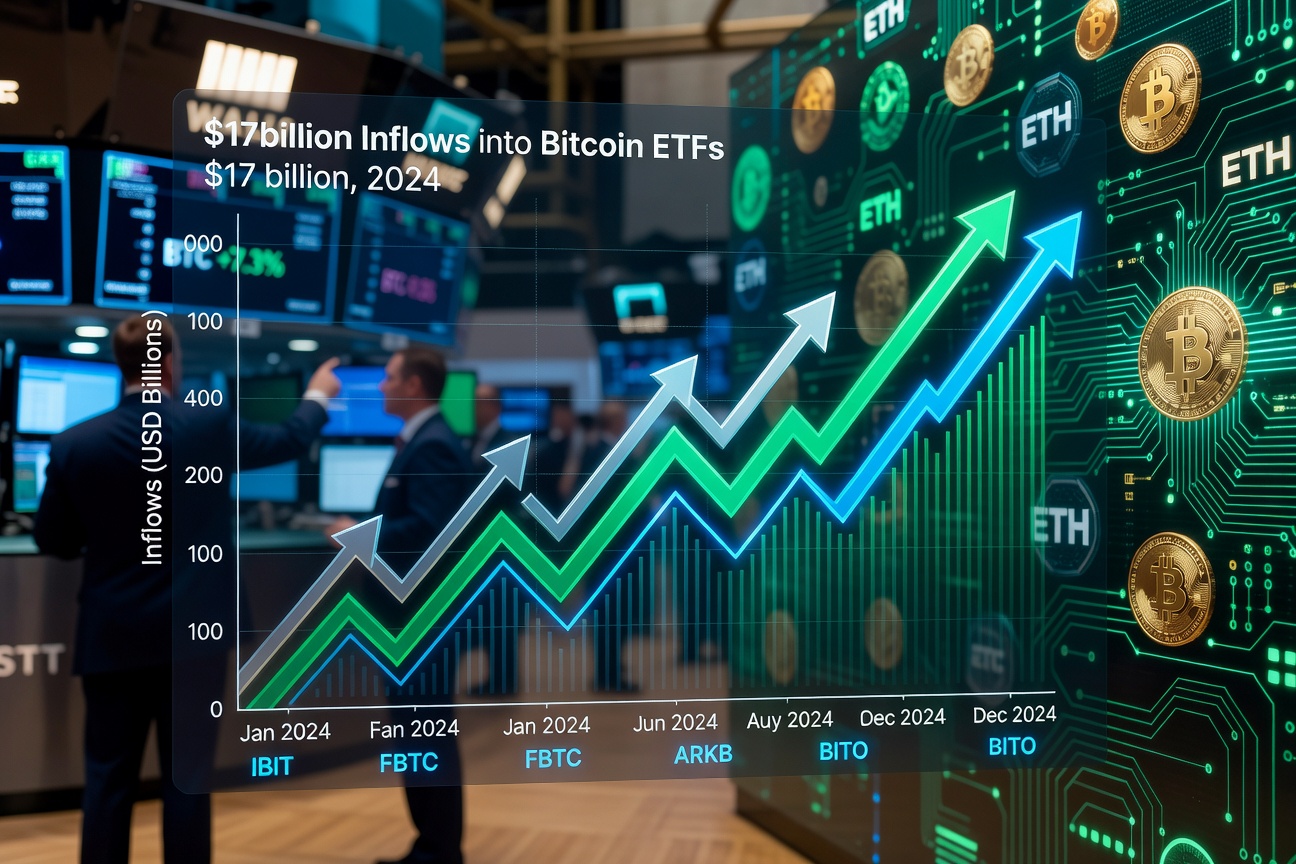
While the stock market notches fresh all-time highs and cryptocurrency enthusiasts cheer on X (formerly Twitter), spot Bitcoin exchange-traded funds have quietly amassed over $17 billion in net inflows since their January launch. This surge, reported by financial data firm Etf.com as of late July 2024, coincides with the S&P 500 climbing above 5,600 points for the first time, driven by tech giants but now rotating toward broader sectors. On social media, #BitcoinETF trends with over 50,000 posts in the past week alone, mixing memes of rocket ships with earnest threads from traders urging newcomers to "get in early." Yet amid the buzz, this moment offers a teachable entry point for Gen Z and young millennials dipping toes into investing: master diversification before chasing any single hot trend.
In plain terms, these ETFs let everyday investors buy Bitcoin exposure through a standard brokerage account, no wallet needed. BlackRock's IBIT and Fidelity's FBTC lead with billions each, drawing sidelined cash as inflation cools and the Federal Reserve signals potential rate cuts. X users like @CryptoWhale post charts showing steady accumulation, captioning, "Institutions buying the dip - retail should too, but smart." Others warn of volatility, with @InvestingKid quipping, "HODL or fold? ETFs make it easier to sleep at night." The hype is real, but panic is optional. Long-term thinking turns noise into opportunity.

What Exactly Is an ETF, and Why Should Beginners Care?
Exchange-traded funds, or ETFs, are baskets of assets you can buy and sell like individual stocks on any trading day. Think of them as a pre-made investment smoothie: grab one for instant nutrition without chopping fruits yourself. Traditional ETFs like the SPDR S&P 500 (SPY) hold shares of the 500 largest U.S. companies, mirroring the broad market. Bitcoin spot ETFs take it further by holding actual Bitcoin in secure vaults, letting you own a slice without dealing with private keys or exchange hacks.
For newbies, ETFs democratize access. Before 2024 approvals, buying Bitcoin meant apps like Coinbase and risking custody issues. Now, via Robinhood or Vanguard, you trade IBIT shares commission-free. Recent policy shifts, including SEC greenlights after years of debate, unlocked this flood of capital. Social chatter reflects relief: a viral X thread by @FinanceNerd garnered 10k likes explaining, "ETFs = Bitcoin for your 401(k). No more excuses." Beginners gain low-cost entry, with expense ratios under 0.25% - cheaper than most mutual funds.
Simple example: Invest $1,000 in a Bitcoin ETF when BTC hits $60,000. Your shares track its price minus a tiny fee. If Bitcoin doubles, so does your stake, minus costs. No leverage, no margin calls - just straightforward ownership. This simplicity shines amid recent market swings, where the Nasdaq dipped 5% in early July on tech profit-taking, yet Bitcoin ETFs held firm with daily inflows topping $200 million.
"ETFs turned crypto from casino to supermarket aisle. Pick your shelf, stock your cart."
Diversification: Your Shield Against Hype and Heartbreak
Diversification means spreading bets across assets to smooth out bumps. Picture assembling a fantasy esports team: all-in on one star player risks wipeout if they choke. Mix shooters, supports, and tanks for consistent wins. In investing, blend stocks, bonds, commodities, and yes, a dash of crypto.
Bitcoin's 2024 run - up 50% year-to-date - tempts go-big-or-go-home. But X horror stories abound: "Sold house for BTC in 2021, now renting," laments one user. Diversification counters this. A basic portfolio: 60% stock ETFs (like VTI for total U.S. market), 30% bonds (BND), 10% alternatives (gold GLD or Bitcoin IBIT). Recent data from Morningstar shows diversified portfolios outperformed single-asset chasers over 10 years, returning 9% annually vs. volatile solo plays.
Real-world example: During March 2024's rate-hike scare, Bitcoin dropped 20% while diversified 60/40 portfolios fell just 2%. Social media amplifies extremes, but calm builders tune it out. Young investors, sidelined by corporate hiring freezes, can start with $100 monthly into a robo-advisor like Wealthfront, auto-diversifying across 7,000+ assets. It's entrepreneurship in passive mode: compound quietly while grinding side hustles.
Demystifying Risk: Volatility Isn't the Enemy
Risk gets a bad rap, but it's probability of loss over time. Two flavors: volatility (short-term wiggles) and permanent capital destruction (bad picks held forever). Bitcoin ETFs pack volatility - daily swings of 5-10% - but long horizons tame it. Historical charts show Bitcoin's worst 12-month drop was 80% in 2018; since then, holders recovered multiples.
Example: Dollar-cost averaging (DCA) shines here. Buy $50 weekly into an ETF regardless of price. Markets high? You buy less. Dip? More shares cheap. X users swear by it: "DCA'd into BTC ETF from day one - up 40% without sweating pulls." Contrast with lump-sum timing, where mistimed entries burn newbies.

Bond ETFs like TLT add ballast during equity storms, as seen in 2022's bear market when they gained while stocks tanked 20%. Risk tolerance quiz: Horizon under 5 years? Stick 80% safe. 10+ years? Allocate 10-20% growth assets like crypto ETFs. Tools in apps like Fidelity auto-adjust based on age - perfect for 20-somethings eyeing financial independence.
Policy tailwinds help: Fed's September rate-cut odds at 95% per CME FedWatch fuel optimism without frenzy. Social media's doomers ignore this, fixating on "crash incoming." Stay stoic: markets rise 75% of years historically.
Do's and Don'ts: Your Starter Checklist
Do's:
- Start small: $100/month compounds to $200k in 30 years at 8% returns.
- Use index ETFs: VOO or QQQ for broad exposure, low fees.
- Dollar-cost average: Automate buys to beat timing stress.
- Rebalance yearly: Trim winners, boost laggards for discipline.
- Learn via apps: Robinhood's 24/7 trading or Public.com's social features.
Don'ts:
- Don't FOMO all-in: Recent X hype led to July pullbacks eating paper gains.
- Don't use borrowed money: Margin calls crush in downturns.
- Don't day-trade: 90% lose; focus buy-and-hold.
- Don't ignore taxes: ETFs in Roth IRA shield growth.
- Don't chase memes: Dogecoin pumps fade; stick fundamentals.
Bitcoin ETFs spotlight timing: Inflows persist despite 10% BTC dips, proving steady wins. For disenfranchised talents eyeing entrepreneurship, investing seeds freedom. Bootstrap a dividend stock portfolio while prototyping apps or e-com stores. Compound interest? Your silent partner outhustles any boss.
Markets evolve - Ethereum ETFs loom next - but basics endure. Tune X for signals, not screams. Build diversified, hold patient, thrive independent. The $17 billion influx? Catalyst for your first portfolio, not frenzy.
Alice Wright
Alice focuses on beginner investing and long-term wealth building, turning market headlines into calm, practical guidance for new investors.