

Market Dips Signal ETF Entry Point: Gen Z's Guide to Building Wealth Amid 2024 Volatility
Last week, the S&P 500 shed nearly 1.5 percent after a blockbuster jobs report dashed hopes for immediate Federal Reserve rate cuts, sending tech stocks into a tailspin and sparking frenzy on social media. TikTok scrolled with videos of young traders panicking over red charts, while X brimmed with #BuyTheDip posts from savvy users sharing screens of low-cost ETFs like VOO and QQQ. 'Finally, a sale on the market!' tweeted @StockSageGenZ, echoing sentiments from thousands. Yet amid the noise, this volatility underscores a timeless beginner lesson: long-term investing through exchange-traded funds trumps chasing short-term swings.
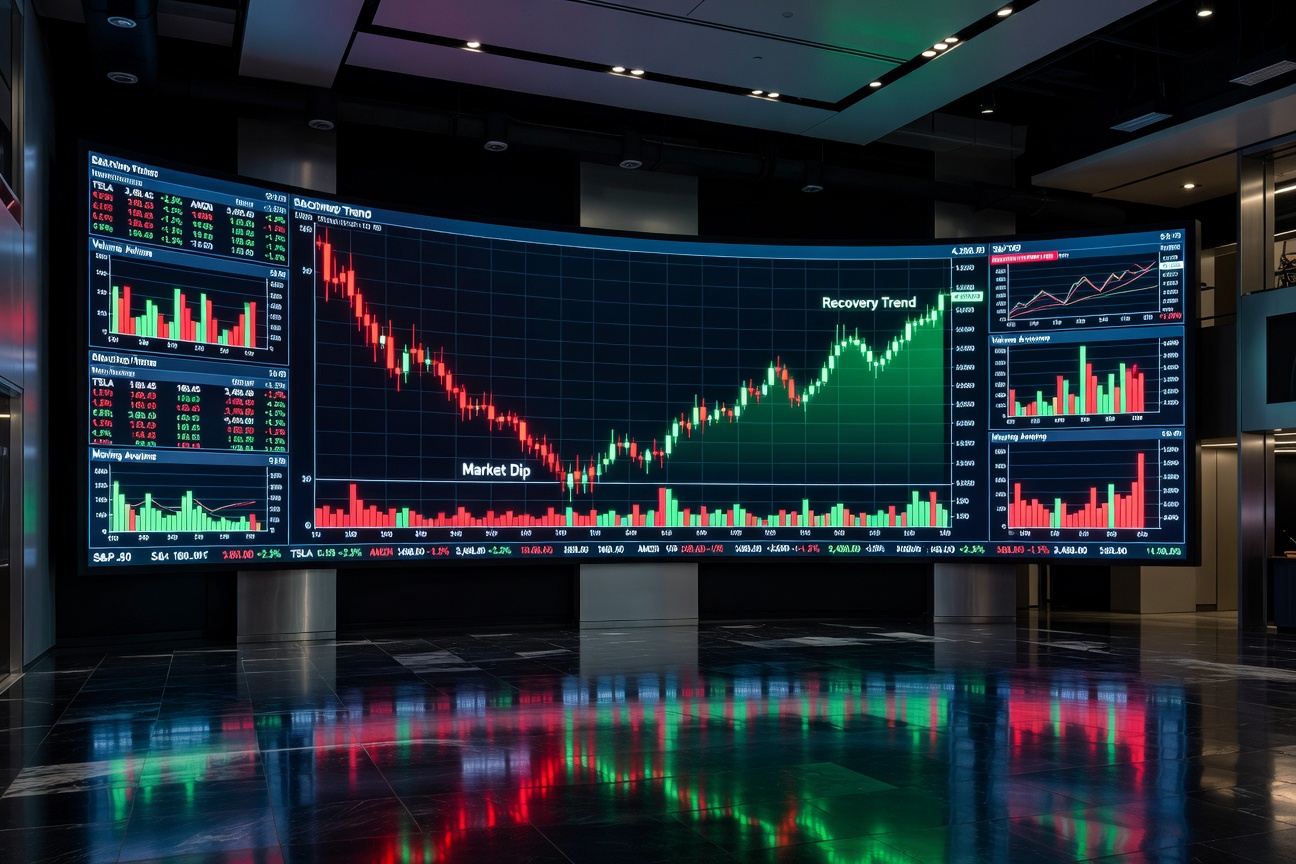
Forget the doom-scrolling. Markets have climbed over 20 percent year-to-date despite pullbacks, rewarding patient holders of index funds. For Gen Z and young millennials sidelined by stagnant wages and corporate hiring freezes, this moment flips the script. ETFs offer an accessible path to ownership in America's growth engines, from AI titans to everyday staples, without picking winners yourself.
Decoding ETFs: Your Instant Portfolio in One Trade
Picture ETFs as pre-packed grocery baskets at the supermarket. Instead of hunting individual apples, bananas, and bread, you grab a bundle covering all bases for a fraction of the effort. Technically, an exchange-traded fund pools investor money to buy a diversified mix of stocks, bonds, or commodities, trading like shares on the NYSE or Nasdaq throughout the day.
Take SPY, the Spider ETF mirroring the S&P 500. It holds 500 top U.S. companies: Nvidia's chips, Walmart's shelves, JPMorgan's loans. Buy one share for about $570, and you own slivers of them all. Contrast that with single-stock gambles, where a Tesla flop could wipe 50 percent off your bet overnight. Recent chatter on Reddit's r/investing highlights this: 'Switched from meme stocks to VTI (total market ETF). Slept better during the dip,' posted u/NewbieTrader24.
ETFs exploded in popularity post-2020, with inflows topping $1 trillion last year per industry trackers. Vanguard's lineup alone manages over $2 trillion, fees under 0.05 percent annually. That's pennies for Wall Street-grade diversification, ideal for cash-strapped 20-somethings automating $50 weekly buys via apps like Robinhood or Fidelity.

Diversification: Spreading Bets Like a Pro Poker Player
Warren Buffett once wagered $1 million a hedge fund couldn't beat the S&P 500 over a decade. He won, proving most pros falter against simple indexes. Diversification is the Buffett edge: scattering investments to blunt losses. If tech tanks like last week's Nvidia-inspired slide, energy or consumer goods buoy the boat.
Simple example: Allocate 60 percent to a U.S. stock ETF (VTI), 20 percent international (VXUS), 20 percent bonds (BND). A 10 percent tech drop hurts less than a portfolio glued to Magnificent Seven stocks. Social proof abounds; X user @MillennialMoneyMan shared: 'Diversified into SCHD dividend ETF during volatility. Yield covers my coffee habit.' Algorithms amplify this wisdom, with #ETFDividends trending alongside dip-buying memes.
For entrepreneurship-minded readers, think ETFs as your side-hustle accelerator. Gains compound tax-deferred in Roth IRAs, freeing capital for startups. Historical data shows S&P returns averaging 10 percent annually since 1957, turning $5,000 yearly investments into $1 million by age 65.
Navigating Risk: Volatility Is Noise, Time Is Signal
Risk terrifies newbies, but understand it separates gamblers from investors. Short-term, markets jitter: up 25 percent in 2023, down 20 percent in 2022. Long-term, bulls prevail. Volatility measures price swings; beta gauges an asset's sensitivity. Low-beta ETFs like utilities-focused XLU chug steadily at half the market's drama.
Everyday analogy: Driving to work, potholes jolt (volatility), but you arrive (growth). Bonds or gold ETFs temper the ride. Recent policy news fits perfectly: Fed Chair Powell's speeches hint at cuts by year-end, potentially juicing stocks further. Yet X threads warn against FOMO; 'HODL ETFs through noise,' advises @FinanceNomad88.
Quantify it: Dollar-cost averaging buys more shares when cheap, fewer when pricey, smoothing costs. Start with $100 monthly into VOO; software simulates million-dollar outcomes over decades.

Do's and Don'ts: Your Starter Playbook
Armed with basics, execute wisely. Here's a crisp list tailored for digital natives:
- Do: Open a brokerage account today (Vanguard, Schwab offer zero commissions). Automate contributions via dollar-cost averaging.
- Do: Stick to broad index ETFs like VTI, VXUS, BND for 80 percent allocation. Research via ETF.com.
- Do: Rebalance yearly: Sell winners, buy laggards to maintain diversification.
- Don't: Time the market based on TikTok tips or news headlines. Miss more gains than you catch.
- Don't: Invest rent money or emergency funds. Keep 3-6 months cash in high-yield savings.
- Don't: Chase yields blindly; high dividends often signal distress, like some 2022 energy plays.
This playbook turns market dips into dollar signs. Social media buzz confirms: Gen Z ETF adoption surged 40 percent per recent surveys, with X polls showing 70 percent favoring passive strategies.
Future-Proof Your Hustle
As AI reshapes jobs and H1B visas flood tech roles, self-directed investing reclaims control. Recent ETF innovations, like leveraged single-stock funds or crypto wrappers, tempt but suit veterans. Beginners thrive on simplicity: Buy America via SPY, hold through storms.
Envision 2030: Your ETF nest egg seeds an e-commerce venture or SaaS startup, bypassing DEI gatekeepers. Powell's rate pivot could ignite fresh rallies, but discipline wins. Log off X, fund that IRA, watch wealth compound. The dip is your doorway; step through.
Start small, stay consistent, secure independence.
Alice Wright
Alice focuses on beginner investing and long-term wealth building, turning market headlines into calm, practical guidance for new investors.