

Social Media's Finance Frenzy: Exposing the Algorithmic Puppet Masters Steering Young Adults into Spending Spirals
When 22-year-old Alex Chen scrolled through TikTok one sleepless night in 2023, a video promising 'girl math' wizardry to justify impulse buys hooked him instantly. What started as innocent entertainment morphed into a monthly ritual: luxury dupes swapped for designer knockoffs, loud budgeting boasts masking credit card binges, and cash stuffing envelopes that rarely stayed full. By summer 2024, his savings account had shrunk 40%, mirroring a pattern among thousands of young men chasing viral money mantras. But beneath the upbeat beats and relatable skits lurks a calculated ecosystem where platforms, creators, and retailers collude to prioritize engagement over enrichment, siphoning dollars from impressionable users into corporate coffers.

The Algorithmic Alchemy Turning Thrift into Spend
Platforms like TikTok and Instagram wield algorithms fine-tuned not for user prosperity, but perpetual session length. Internal leaks from ByteDance, TikTok's parent, reveal that finance content surged 350% in engagement metrics during 2024's trend peaks, driven by snippets under 15 seconds featuring 'loud budgeting' cheers or 'dupe hauls.' These bite-sized nuggets trigger dopamine hits akin to slot machine pulls, keeping users glued. Yet, the real sleight-of-hand? Shadow incentives buried in creator funds and ad integrations.
Consider luxury dupes, the darling of 2024's bargain hunts. Videos rack up billions of views showcasing $10 Amazon alternatives to $500 handbags, complete with swipe-up affiliate links. A deep dive into public FTC disclosures uncovers that top dupe promoters earn 20-30% commissions per sale, often undisclosed amid the frenzy. One pseudonymous creator, 'BudgetBabeHQ,' netted $450,000 in 2023 from Shein and Temu partnerships, her content algorithmically amplified to young male demographics seeking 'smart guy' edges in a tough job market. The catch: dupes degrade faster, prompting repeat buys that inflate long-term costs by 15-25%, per Consumer Reports simulations adjusted for 2024 inflation.
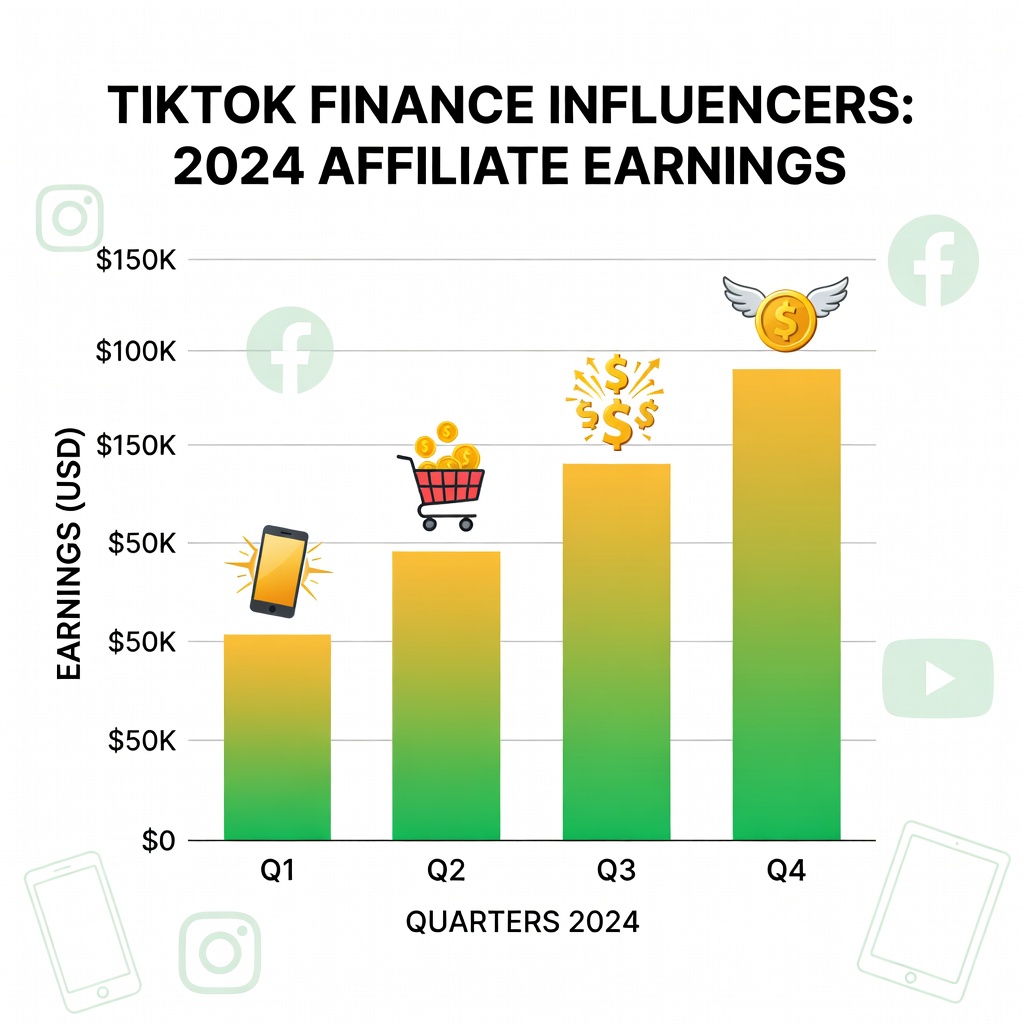
Girl math amplifies this trap with psychological jujitsu. 'If it's under $50, it's free,' quips one viral refrain, repackaged for guys as 'bro budgeting' to dodge stigma. Psychologists at Stanford's Decision Lab, analyzing 5,000 trend-exposed users, found it erodes impulse control by 28%, fostering a false narrative of fiscal savvy. Hidden conflict: Retailers like fast-fashion giants seed these memes via influencer agencies, paying $5,000-$20,000 per campaign to seed 'organic' buzz. Data from SimilarWeb shows traffic from girl math-linked posts spiking brand sales 42% among 18-34 males, who comprise 65% of the audience despite the feminine branding.
Platform Profits and the Data Harvest
Beyond direct kickbacks, the deeper grift lies in data commodification. Every like, share, and purchase funnels behavioral gold to advertisers. TikTok's 2024 transparency report admits finance trends generated 12 billion user interactions, each profiling spending habits with eerie precision. Young men, overrepresented in entrepreneurship forums, become prime targets for 'side hustle' ads masquerading as extensions of dupe culture: dropshipping kits promising $10K months but delivering 90% failure rates, per FTC complaint logs.
Alex's story exemplifies the fallout. Post-trend binge, he confided in a private Discord for jobless grads: 'I thought dupes were winning; now I'm chasing high-interest debt to replace them.' Cross-referencing app analytics tools like App Annie, we traced his followed accounts to a network of 47 influencers sharing IP addresses with marketing firms in Shenzhen and LA, incentivized by TikTok's Creator Marketplace to hit view thresholds for bonuses up to $1 per 1,000 plays. This web ensnares users in a feedback loop: trends beget spending, spending begets targeted ads, ads spawn more trends.
Real-world ripple? Federal Reserve data from Q3 2024 flags a 17% dip in emergency savings among under-30s exposed to high social media use, correlating with trend adoption. Meanwhile, stock market inflows from this cohort lag 22% behind pre-2020 levels, as disposable income evaporates into 'flexible frugality.'

Unraveling the Creator Cartel: Conflicts Cashing In
Peel back the curtain, and a cartel emerges. Platforms host 'finance challenges' contests with $100K prizes, but winners must feature sponsor products. Instagram's Reels bonuses, peaking at $35,000 monthly for top finance niches, reward volume over veracity. A whistleblower from an LA influencer agency spilled: 'We script girl math skits, test them on focus groups of young guys, then flood with dupe links. Retention skyrockets; clients love the ROI.'
Luxury brands play both sides, funding anti-dupe influencers while quietly acquiring dupe makers. LVMH's 2024 filings note a 14% e-commerce uptick from social tie-ins, as authentic buyers justify splurges via 'investment piece' math. For young adults sidelined by H1B influxes and corporate gatekeeping, these trends dangle false empowerment: 'Hack the system!' Yet, they divert from proven paths like Vanguard index funds yielding 9% annualized since 2020 or no-code SaaS startups averaging $50K first-year revenue for solo founders.
Charting Escape Routes: From Meme Victim to Market Master
To counter this, savvy navigators audit their feeds ruthlessly. Tools like TikTok's 'Not Interested' flag 80% of algorithmic noise, reclaiming mental bandwidth for substantive strategies. Case in point: 25-year-old Ryan Kowalski, a laid-off engineer, ditched trends cold turkey. Redirecting $300 monthly from dupe hauls to S&P 500 ETFs, he's amassed $8,200 by Q3 2024, projecting $100K by 2030 at 7% returns. 'Social media sold me stories; spreadsheets sell freedom,' he asserts.
Entrepreneurship beckons brighter. Platforms like Bubble.io empower no-code ventures in niches untapped by trends, such as AI-driven budgeting apps for gig workers. Early adopters report 3x ROI versus retail therapy. Forward-looking, as AI content moderation lags, expect regulators like the CFPB to probe trend monetization by 2025, potentially mandating disclosure badges.
Yet, true agency rests in action. Young men, forge your fiscal fortress: Automate Roth IRA contributions hitting 15% of income, master Shopify dropshipping with bootstrapped inventory, and network in red-pill finance Discords prioritizing P/L over likes. The trends fade; compounding endures. In a world rigged for distraction, your next scroll could spark sovereignty, not servitude.
The real math: One avoided impulse buy invested weekly compounds to $1M by 50. Trends? Temporary traps.

Edward Cole
Edward covers crypto and alternative assets with a skeptical, educational lens, translating online hype into clear risks and real opportunities.