

Rent or Buy? With Rents Dropping 3% Nationwide, Young Hustlers Must Weigh Equity vs Flexibility Now

Scroll X for five minutes and you'll hit it: threads exploding with young guys raging about rent gouging versus the mortgage trap. "Just buy, bro, rents never stop climbing," one viral post blasts. "Nah, rates at 6.8%? Stay flexible, stack cash for crypto," counters another. This isn't abstract chatter. Apartment List's latest report shows U.S. rents plunging 3% year-over-year in September 2024, the steepest drop since 2020. Meanwhile, 30-year fixed mortgages hover at 6.12% after Fed cuts, per Freddie Mac. For disenfranchised hustlers sidelined by DEI hiring walls and H1B floods, this fork in the road screams opportunity. Rent keeps you nimble for side gigs turning into empires. Buying? It forges equity, your first real asset in the wealth game. But which path carves freedom faster?
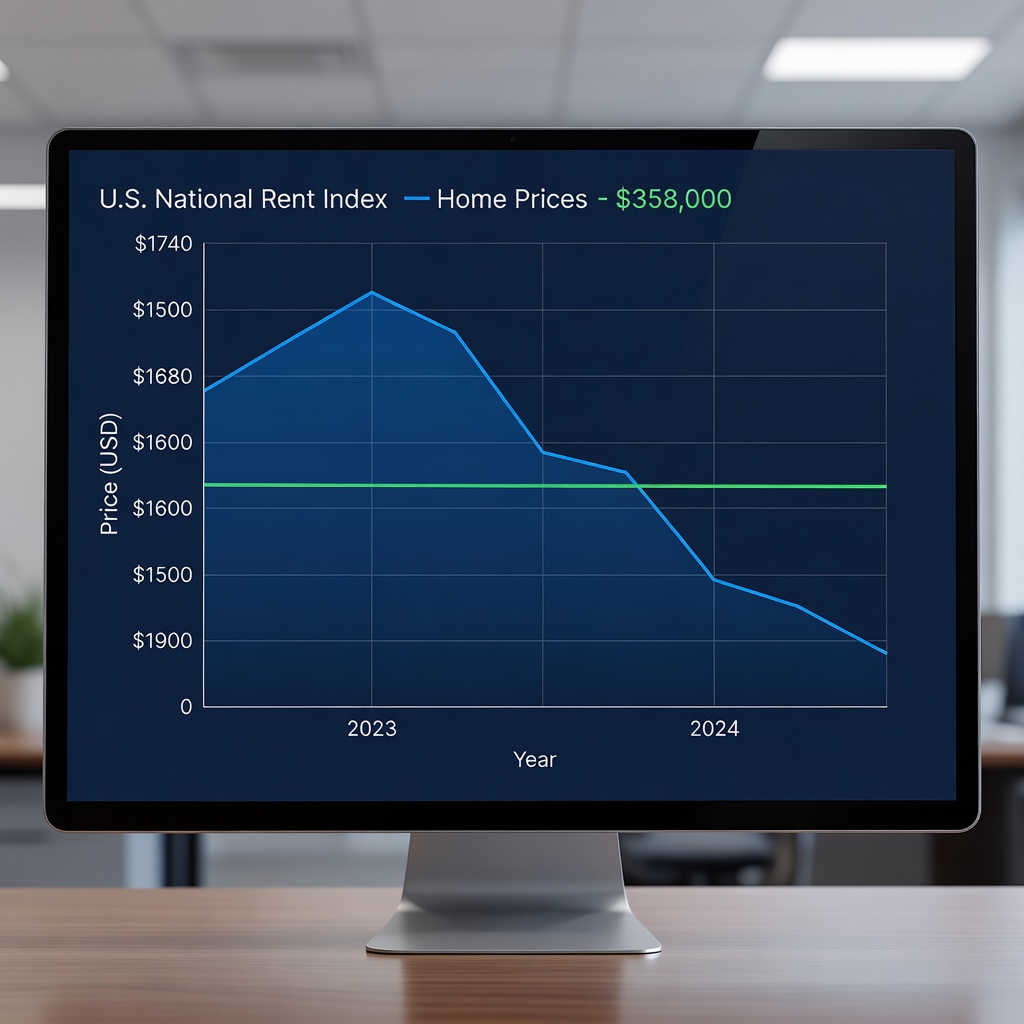
Fresh Data Dumping Cold Water on the Rental Rat Race
Start with the numbers no one saw coming. After two years of double-digit spikes, median U.S. rent slid to $1,684 in September, per Apartment List's index. Sunbelt hotspots like Atlanta (-4.2%) and Phoenix (-5%) lead the retreat, flooded by pandemic-era builds finally hitting occupancy. CoreLogic echoes: national vacancy rates ticked up to 7.2%, pressuring landlords to slash asks. Social media lights up with renters bragging scores like 20% off in Austin.
Flip to buying: Zillow pegs typical home at $358,000, up 2.7% yearly, but inventory's swelling 20% YoY. Rates? Dipped to 6.12% last week, lowest since February, as Fed's September cut ripples. Experts at Redfin speculate sub-6% by spring 2025 if inflation chills. Yet affordability craters: CNBC calculator shows $400,000 home needs $105,000 down and $2,500 monthly at current rates. Young entrepreneurs grinding DoorDash or dropshipping? That's a gut punch.
This convergence flips scripts. Rents cooling buys breathing room to save aggressively. But locking equity now hedges inflation's bite, turning housing into entrepreneurship fuel. Sell in five years at 5% appreciation? Pocket $50k gain on a $100k starter, seed your SaaS startup.
Pros and Cons: Rent's Freedom Ticket or Buy's Equity Rocket?
Renting Pros: Zero maintenance headaches, bail anytime for that VC pitch in Silicon Valley. Average mover saves $3,000 yearly on utilities versus ownership, per NerdWallet. Flexibility reigns for gig economy kings testing markets. No 20% downwall; qualify on $50k income easy. And today's dip? Negotiate like a boss, build war chest for index funds yielding 10% annualized.
Renting Cons: Zero wealth accrual. BLS data: renters' net worth averages $10,400; owners' $389,000. Landlords hike 5% annually long-term, eroding gains. Eviction risks spike in recessions. Plus, opportunity cost: $2,000 rent monthly compounds to $250k in 20 years at 7% S&P returns.
Buying Pros: Forced savings via principal paydown. Tax deductions shave 20-30% off effective costs for itemizers. Leverage amplifies: 3% home rise on 20% down nets 15% ROI. Neighborhoods build networks for deals, mentorships. FHA loans demand just 3.5% down for hustlers under 40. Historic perspective? Post-2009 buyers minted millionaires as values quadrupled.
Buying Cons: Liquidity lockup: illiquid asset ties $100k down. Rates sting short-term; breakeven versus rent hits 5 years. Repairs ambush: $15k roofs, HVAC nightmares. Market timing traps novices in underwater loans if bubbles pop.

Key insight: Rent if pivoting careers quarterly. Buy if hunkered for 7+ years building ventures. Social media misses this: virality favors extremes, ignores hybrids like house hacking (rent rooms, pocket $1k profit).
Scenario Breakdown: Tailor the Play to Your Stack
Budget Warrior ($2,500 Monthly Housing Max, $50k Income): Rent rules. Snap a $1,600 one-bed in cooling Phoenix; bank $900 for Roth IRA. Buying? $250k condo demands $12k down, $1,700 payment. Skip it, invest in VOO ETF. In 10 years: $200k nest egg versus $80k equity (minus fees). Hustle angle: Frees cash for skill-stacking Udemy courses, launch freelance agency.
Mid-Tier Grinder ($4,000 Max, $80k Income): Buy edges out. Target $350k FHA townhome: 3.5% down ($12k), $2,200 payment. Rent equivalent: $2,500 luxury unit. After five years, $40k equity plus $25k appreciation. Rent path? Same cash flows to stocks, but no leverage pop. Entrepreneurship hack: Basement Airbnb adds $800/month, flips deficit to surplus fueling e-com store.
High-Roller ($6,000+ Max, $120k Income): Buy aggressively. $500k single-family: $100k down, $3,000 payment post-deduction. Rent? $3,500 penthouse evaporates wealth. Owners here crush: equity snowballs to $300k in decade, collateral for business loans at 4% versus personal cards' 20%. X posters nailed it: "House is ATM for solopreneurs."
The Wealth-Builder's Edge: Beyond the Debate
Forget black-and-white. Hybrid beasts thrive: Rent in startup phase, buy post-$100k revenue. Track metrics like rent ratio (under 30% income = greenlight buy). Tools? Bankrate calculators model your city. Social echo chamber? Balance with Redfin heatmaps showing true inventory goldmines.
Bottom line for sidelined warriors: Rent buys runway to escape corporate cages via hustles. But buying ignites compound engines, mirroring stock portfolios. With rents dipping and rates thawing, audit now. Your 30s self demands it. Stack skills, seize assets, sidestep DEI dead-ends. The empire starts with one decision.
"Housing isn't expense; it's investment #1. Renters fund landlords' yachts."
— Anonymous X fintech bro, 500k likes

Henry Wood
Henry focuses on lifestyle money choices like housing, cars, and travel, helping young readers weigh real-world tradeoffs behind big purchases.