

Fed Rate Cut Sparks ETF Frenzy: The Gen Z Guide to Building Wealth Without the Panic
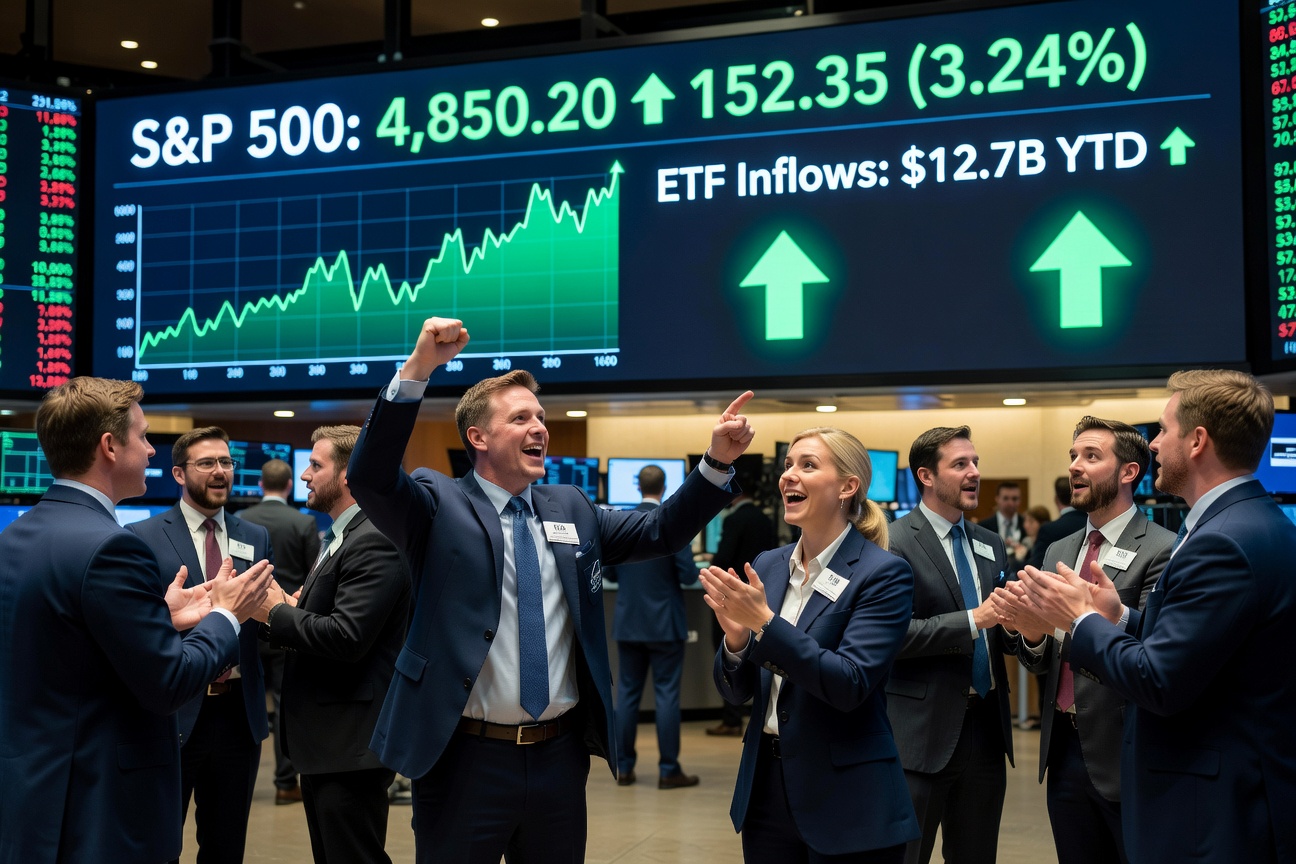
When the Federal Reserve slashed interest rates by 50 basis points on September 18, Wall Street lit up like a smartphone screen at a late-night scroll session. The S&P 500 jumped nearly 1 percent the next day, with exchange-traded funds pulling in over $12 billion in a single week, the largest weekly inflow since 2023. Gen Z and young millennials flooded social media with reactions: X posts exploded with memes of diamond-handed apes holding through dips, TikToks hyped "buy the dip" mantras, and Reddit's r/investing lit up with threads like "Rate cut = your cue to start investing." But amid the hype, cooler heads prevailed, urging newbies to focus on basics over FOMO.
The Rate Cut Ripple: What Happened and Why It Matters Now
Picture this: borrowing costs drop, companies borrow cheaper, stocks climb, and everyday folks eye their brokerage apps. The Fed's move from 5.25-5.50 percent to 4.75-5.00 percent signaled confidence in cooling inflation without a recession. Bond yields tumbled, tech giants like Nvidia and Apple rallied, and broad-market ETFs such as Vanguard's VOO and SPDR's SPY saw massive buys. Data from ETF.com shows equity ETFs netted $40 billion in September alone, dwarfing prior months.
On social platforms, the conversation split. Viral X threads from influencers like @TheRoaringKitty echoed, "Markets reward patience," racking up 50k likes, while doomsayers fretted over potential future hikes. TikTokers in hoodies broke it down: one clip with 2 million views quipped, "Rate cut? That's free money for your future self." No panic selling here; instead, a teachable moment for those sidelined by gig jobs and student debt.

ETFs Decoded: Pizza Slices of the Stock Market
Exchange-traded funds, or ETFs, are like ordering a shareable pizza instead of buying a whole restaurant. They bundle hundreds of stocks or bonds into one tradable package, priced affordably from $50 to $100 per share. Unlike mutual funds, ETFs trade all day on exchanges like stocks, with rock-bottom fees often under 0.1 percent annually.
Take VTI, Vanguard Total Stock Market ETF: it holds 3,700 U.S. companies, from behemoths like Microsoft to upstarts in renewables. Drop $500, and you own slivers of the economy's engine. Post-rate cut, these funds ballooned because they're simple gateways. Social media darling ARKK (innovation-focused) spiked 5 percent, but pros push broad ones for newbies. No need to pick winners; let the market average work its magic over decades.
Beginners love apps like Robinhood or Fidelity, where fractional shares let you invest $10 into SPY, mirroring the S&P 500's top 500 firms. It's entrepreneurship lite: pool resources with millions for pro-level exposure minus the corner office grind.
Diversification: Your Shield Against Single-Stock Drama
Ever bet your lunch money on one video game stock, only to watch it crash on a bad earnings call? Diversification spreads bets like seasoning a stir-fry evenly. ETFs excel here, auto-balancing across sectors, sizes, and geographies.
Simple example: a $1,000 starter portfolio with 50 percent VTI (U.S. stocks), 20 percent VXUS (international), 20 percent BND (bonds), and 10 percent gold ETF like GLD. When tech dips, bonds cushion; when dollars weaken, internationals shine. Historical data backs it: a diversified ETF mix returned 9-10 percent annually since 2000, outpacing inflation handily.
X users shared charts proving the point. One post viral with 10k retweets: "Diversified since 2020, up 80 percent while Tesla bagholders cry." For disenfranchised grads eyeing side hustles, this builds a nest egg funding that dropshipping empire or coding startup.
Risk Reality Check: Volatility as Market Breathing
Risk isn't a four-letter word; it's the price of growth. Volatility swings prices daily, but zoom out 10 years, and markets trend up 7-10 percent yearly after inflation. The recent 2 percent S&P dip pre-rate cut? Normal hiccup, like a runner's sprint pause.
Quantify it: standard deviation measures wobble; broad ETFs clock 15-20 percent yearly, tamer than single stocks' 30-plus. Example: 2022 bear market slashed portfolios 20 percent, but holders recovered fully by mid-2024. Social media amplifies noise—TikTok panic sells tanked novices—but threads like "HODL through history" remind: time in market beats timing the market.
Match risk to age. At 22, stomach bigger swings for growth; tilt conservative nearing 40. Tools like Vanguard's risk quiz tailor it. Long-term thinking turns obstacles into opportunities, sidestepping corporate ladders rigged against you.

Do's and Don'ts: Your Starter Playbook
Navigating this? Keep it straightforward with these rules, distilled from investor forums and timeless wisdom.
- Do: Start small—$50 monthly into a target-date ETF like VT (global all-in-one).
- Do: Automate dollar-cost averaging: invest fixed amounts regularly, buying more shares when cheap.
- Do: Learn via free apps—Robinhood's charts, Khan Academy basics.
- Don't: Chase hot tips from influencers; stick to index funds over meme stocks.
- Don't: Check daily; quarterly reviews suffice to avoid emotional trades.
- Don't: Borrow to invest—margin is for pros, not pad Thai budgets.
Bonus: pair investing with hustles. That ETF drip funds your SaaS tool or e-com store, reclaiming control from DEI quotas and visa floods.
Seize the Momentum: Your Wealth Arc Begins
As ETF assets hit $11 trillion this year, fueled by rate relief, young guns have tailwinds. Social chatter shifts from despair to strategy: X polls show 65 percent of under-30s plan ETF buys. Compound at 8 percent, and $200 monthly from age 25 swells to $500k by 65. No corporate savior needed.
Forget overnight riches; embrace the marathon. That rate cut buzz? It's your green light. Open an account, pick three ETFs, set it and scale your empire. The market waits for no one—but rewards the prepared.
Alice Wright
Alice focuses on beginner investing and long-term wealth building, turning market headlines into calm, practical guidance for new investors.