

Loud Budgeting Explodes on TikTok: The Frugal Flex That's Helping Young Hustlers Save $5K+ Annually Amid Job Market Chaos

Scroll through TikTok's For You Page on any given evening, and you'll spot them: sharp-dressed 20-somethings staring down the camera, declaring with zero shame, "Nah, I don't drop $20 on brunch. My budget says ramen and gains." Cut to triumphant music, wallet flexes, and comment sections erupting in fire emojis. Welcome to loud budgeting, the 2024 sensation where frugality isn't hidden in spreadsheets but shouted from digital rooftops. Coined by TikTok creator @sofiateller earlier this year, it's amassed over 50 million views under #LoudBudgeting, blending humor, defiance, and raw financial real talk. For a generation iced out of corporate ladders by DEI quotas and H1B floods, this trend isn't just meme fodder; it's a battle cry for self-made wealth.
What starts as a viral clip spirals into real-world wins. Creators tally skipped lattes turning into $500 monthly surpluses, funneled straight into index funds or dropshipping stores. Federal Reserve data underscores the urgency: average millennial credit card debt hit $6,500 in Q2 2024, while savings rates languish at 3.4%, the lowest since 2020. Loud budgeting flips the script, making penny-pinching a status symbol.
Why Loud Budgeting Resonates in This Economic Jungle
Picture the backdrop: inflation cooled to 2.5% but grocery bills still sting 25% higher than pre-pandemic peaks, per BLS stats. Entry-level salaries stagnate around $55K while rents devour 40% of take-home pay in major cities. For young White and Asian guys grinding Uber shifts or freelance gigs, the corporate dream feels rigged. Loud budgeting arrives like a Molotov cocktail to quiet luxury's champagne facade.
It echoes the no-BS ethos of past movements like FIRE (Financial Independence, Retire Early), but accelerated for short-attention spans. Influencers like @ramit (Ramit Sethi) amplify it, preaching "say no to shiny objects." Online chatter on Reddit's r/personalfinance spikes 300% in mentions, with users sharing wins: one Asian coder in Seattle ditched meal kits, saved $4K yearly, and bootstrapped an SaaS side hustle now pulling $2K/month passive.
The genius? Social proof. Seeing peers brag about $10K emergency funds built via "no-spend weeks" normalizes discipline. Psychologists call it accountability theater: public vows stick harder than private ones. In a world where LinkedIn flexes six-figure FAANG jobs (unattainable for many), loud budgeting reclaims power through transparency.
The Payoff: Real Savings and Wealth Accelerators
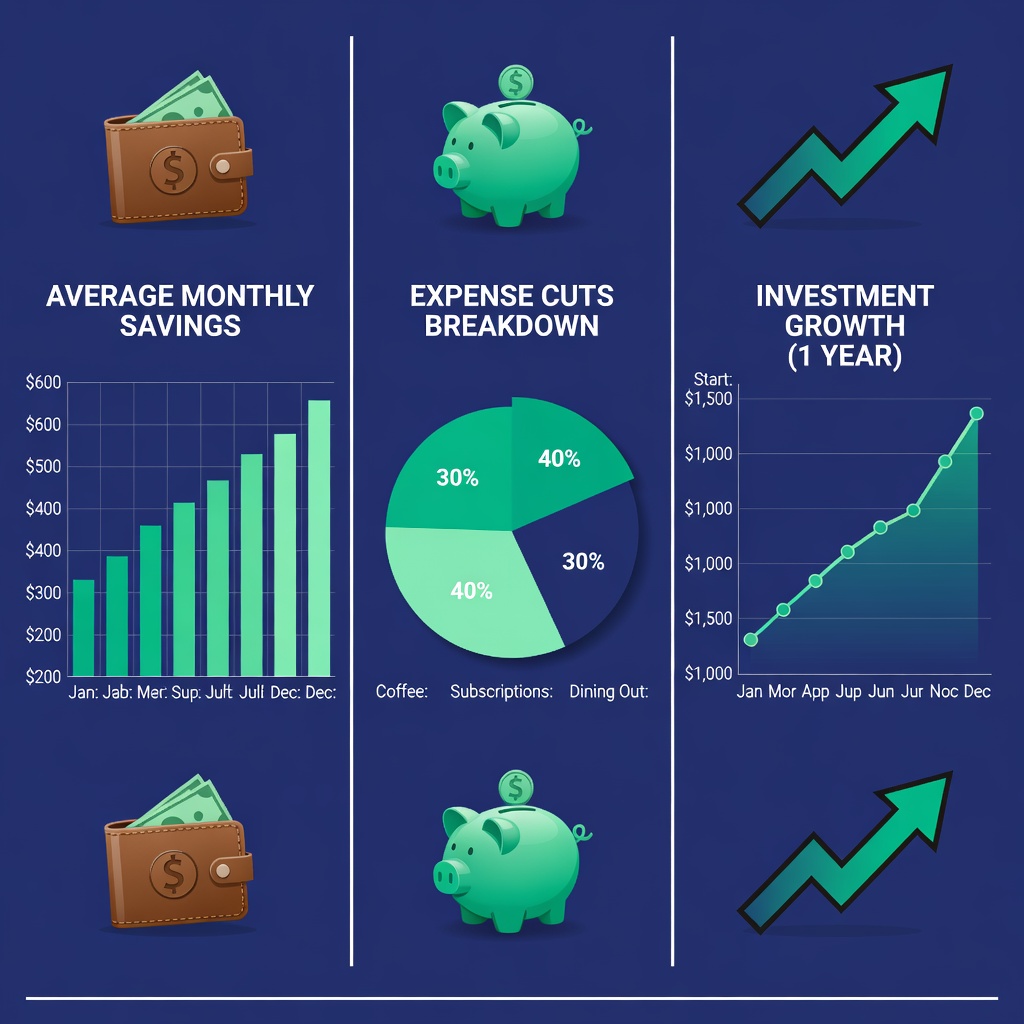
Dig into the data, and the trend delivers. A 2024 Bankrate survey found 42% of Gen Zers influenced by social media budgeting hacks report higher savings. Extrapolate loud budgeting's core - vocal rejection of lifestyle inflation - and you're looking at $3K-$7K annual gains for median earners. Skip two $15 lunches weekly? That's $1,500. Ditch subscriptions? Another $1,200. Publicly commit on TikTok, and dopamine hits keep you honest.
Beyond cash hoards, it sparks entrepreneurship. Saved bucks seed Robinhood portfolios heavy on VOO or QQQ, compounding at 10% historically. One viral thread details a White millennial in Texas: loud-budgeted his way to $10K, launched a print-on-demand tee empire targeting niche gaming communities. Now? $8K/month revenue, no boss. Fintech apps like YNAB and PocketGuard integrate social sharing, turning trends into tools.
Risks lurk, though. Overzealous frugality breeds burnout - endless no-spend tallies sap joy, per therapist anecdotes on X. Social blowback hits too: friends ghost the "cheap" guy, or envy sparks sabotage. Data from a 2023 Journal of Consumer Research study warns public goals can backfire if unrealistic, leading to binge rebounds. And in echo chambers, extremes emerge - ascetic monks shunning all fun for crypto bets.

What Loud Budgeting Reveals About Our Fractured Money Culture
This isn't mere thrift porn; it's cultural rebellion. Post-2008, millennials chased "hustle culture" - side gigs masking wage stagnation. Now, Gen Z calls bluff on performative wealth. Loud budgeting skewers influencers hawking $2K courses while maxing Venmo. It humanizes finance: your $40K salary isn't failure; it's launchpad.
Yet it spotlights divides. Affluent voices dominate feeds, their "budgeting" still includes $1K vacations. True scrappers - immigrants' sons coding nights, laid-off techies driving DoorDash - use it for survival. Broader shift? Money talk destigmatized, paving for peer investing clubs or group real estate flips. As rates dip toward 4% by 2025 (Fed projections), timing's prime for leveraged plays.
Critics decry gamification: likes over longevity. But counterpoint - traditionals hid debt till bankruptcy. Loud budgeting forces evolution, blending virality with virtue.
Smart Plays: Copy This, Ditch That, Question Everything
Ready to loud budget without the pitfalls? Start small: Post one weekly win - "Traded happy hour for $50 gym membership. Portfolio up 2%." Track via apps, aim 20% savings rate. Copy the flex: Frame frugality as alpha - "Real kings build empires, not Instagram grids."
Ignore extremes: No zero-fun marathons; allocate 5% for dopamine spends. Skip peer pressure - your $200/month coffee ban isn't virtue if it tanks motivation. Question influencers peddling courses; vet via free trials.
Level up: Funnel 50% savings to low-fee ETFs (VTI for broad exposure). 30% to skill-stacking - Udemy courses in Shopify or Solana dev. 20% emergency buffer. One X post nailed it: "Loud budgeting got me to FI by 35. Corporations? Nah, I'm the CEO."
Join the wave. Film your first flex tonight. In a rigged game, loud wins rewrite rules. Your move.
"Budgeting out loud saved my ass. From ramen to real estate down payment in 18 months." - @budgetbro87, 1.2M likes.

Lucy King
Lucy connects policy, economics, and values-based money, translating headlines and social-media trends into clear actions for younger audiences.