

Fed's Bold Rate Slash: Gen Z Credit Card Hell Gets a Real Escape Hatch

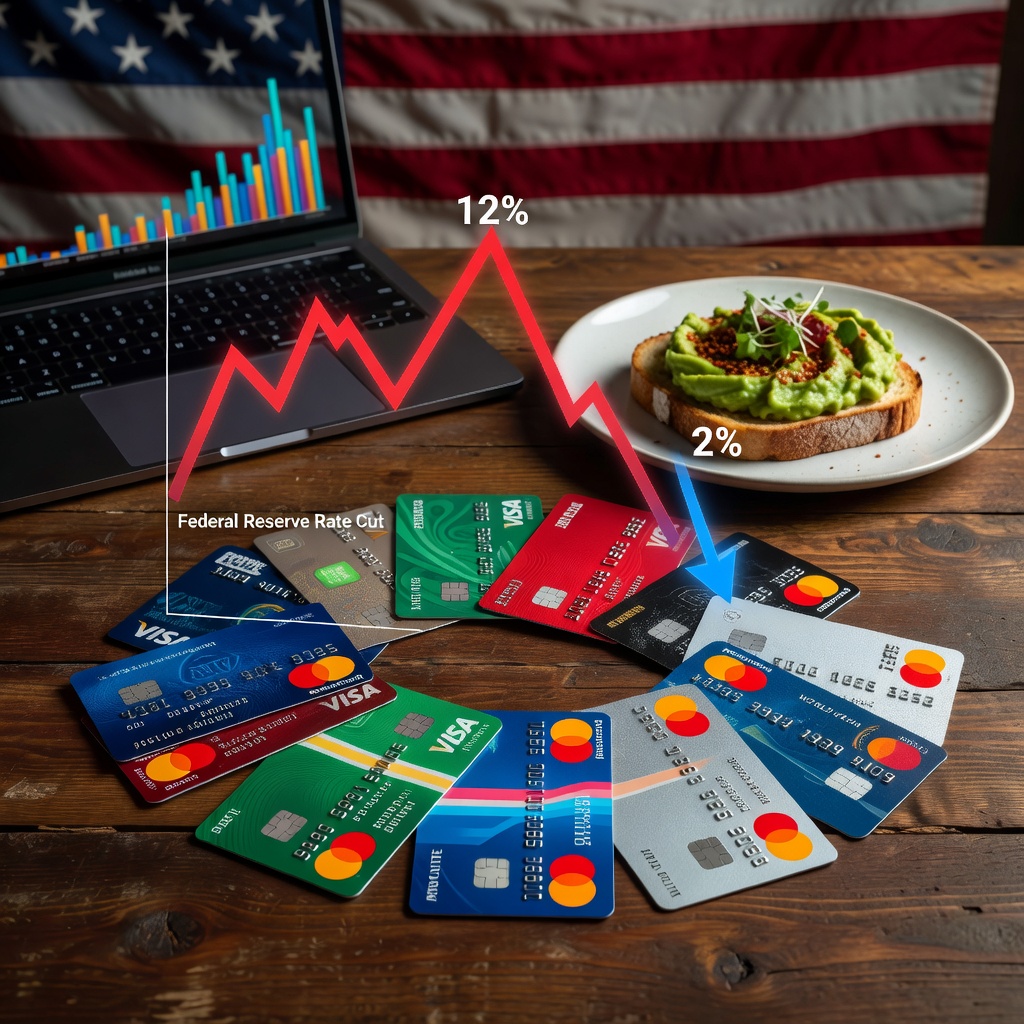
The Federal Reserve stunned markets on September 18, 2024, by slashing its benchmark interest rate by a hefty 50 basis points, the first cut in over four years. This aggressive move drops the federal funds rate to a range of 4.75% to 5%, directly targeting persistent inflation while handing relief to consumers crushed by sky-high borrowing costs. For Gen Z and millennials, already saddled with record credit card balances and lingering student loans, this signals a potential turning point in their financial grind, as variable rates on cards, auto loans, and adjustable mortgages begin to ease.
Across TikTok, Reddit, and X, young Americans are erupting in a mix of jubilation and calculated opportunism, with viral videos tallying monthly savings and threads dissecting personal debt strategies.
The Mechanics Behind the Cut: What Actually Happened
Picture the economy as a massive engine overheating from post-pandemic inflation spikes. Chair Jerome Powell and the Fed's policy committee hit the brakes hard, citing cooling job growth and inflation nearing the 2% target. This isn't a timid tweak, it's a signal of more cuts ahead, with markets pricing in another 25 basis points by December.
Prime rates, the benchmark for most consumer loans, track the fed funds rate closely. Credit cards, notorious for APRs above 20%, adjust within weeks. Data from the New York Fed shows average credit card debt hitting $6,501 per borrower in Q2 2024, with millennials carrying the heaviest loads at over $5,000 on average. Gen Z, newer to credit, averages $2,800 but faces the fastest-growing delinquency rates at 9.3% for their age group.
Unlike fixed-rate student loans, which won't budge directly, this cut opens refi doors for private loans and indirectly pressures federal servicers through competitive dynamics. Online buzz exploded: a TikTok from @DebtFreeGenZ racked up 1.2 million views, showing a screen recording of Chase's app hinting at rate reviews, captioned "Rate cut szn incoming, who's refinancing?"
"My $15k CC balance at 24.99% APR? About to save $150/mo if it drops 2 points. Fed finally did something for us broke 20-somethings."
Who Feels the Pinch Relief Most: Gen Z and Millennials in the Crosshairs
Younger cohorts dominate the debt crisis. TransUnion reports Gen Z credit card balances surged 22% year-over-year, fueled by BNPL overuse transitioning to revolving credit. Millennials, entering prime earning years, juggle $1.7 trillion in total debt, per Fed stats, with credit cards comprising 25%.
This cut disproportionately aids renters and gig workers without fixed mortgages. Urban millennials in cities like Austin or Seattle, priced out of homeownership by prior rate hikes, see auto loan refis becoming viable. A Reddit thread in r/FinancialIndependence exploded to 5k upvotes: "As a 28yo Asian dude in tech laid off twice, this is my cue to consolidate $40k debt before rates bottom." Comments echoed H1B frustrations, with users venting about corporate hiring freezes pushing side hustles.
Social media paints a vivid picture: Instagram Reels from white-collar Gen Zers in finance TikToks parodying "pre-cut tears over $300 minimum payments," now flipping to victory dances. Yet skepticism lingers, threads warning "Banks drag feet on rate drops, negotiate or switch!"

Ripple Effects on Credit Scores, Payments, and Long-Term Wealth
Your FICO score won't jump overnight from the cut itself, but payment relief does. Lower minimums reduce utilization risk if you pay more principal. VantageScore models factor payment history 40%, so easing cash flow prevents misses that tank scores below 700.
Expect credit card APRs to dip 0.5-1% initially, per Bankrate projections, saving $50-100 monthly on $10k balances. For the 46% of Gen Z with BNPL exposure, clearer regulations loom as CFPB eyes oversight, but rate relief hits harder now. Student loan holders: fixed rates stick, but private refis at sub-6% beckon if credit holds.
Entrepreneurial upside? Lower rates mean cheaper business loans via SBA or personal lines. One X viral post from a 25-year-old dropshipper: "Cut lets me borrow $20k at 8% vs 12% for inventory. Scaling my store from $5k/mo profit." This aligns with disenfranchised young men pivoting to e-com and investing, bypassing DEI-blocked corporate ladders.
Social Media Storm: Raw Reactions from the Debt Trenches
X lit up with #FedCut memes: a white guy in a hoodie screenshotting his 23% Wells Fargo APR, replying "Praying for mercy." Reddit's r/creditcards hit 10k comments debating issuers like Capital One vs Amex pass-through speeds. TikTok duets show before/after budget breakdowns, Gen Z creators urging "Call your bank TODAY."
Undercurrent of anger at prior hikes: "Fed wrecked my 20s with 5% mortgages I couldn't afford, now fixing it too late?" Still, optimism prevails, with threads sharing scripts for rate negotiations.
Viral Metric: Searches for 'credit card rate drop after Fed cut' spiked 300% on Google Trends post-announcement.
Your Action Plan: Seize the Moment Before Rates Stabilize
Step 1: Audit statements now. Log into apps for variable APRs; most adjust 30-60 days post-prime change. Track prime via WSJ updates.
Step 2: Negotiate aggressively. Call issuers citing competitors: "Citi dropped rates post-cut, match my 21.99% or I balance transfer." Success rate? 78% per Credit Karma user polls. Avoid new apps during reviews to dodge hard inquiries.
Step 3: Balance transfer goldmine. Cards like Wells Fargo Reflect offer 0% for 21 months; apply pre-cut ripple fully hits. Debt snowball: pay high-interest first, snowball savings into investments like index funds yielding 10% historically.
Step 4: Refi smartly. Student loans? Check SoFi or Earnest for 4-6% if FICO >720. Auto? Bankrate tools show 1-2% drops possible. Steer clear of payday traps or BNPL extensions masquerading as relief.
Step 5: Build entrepreneurship buffer. Lower rates favor bootstrapping: fund Shopify stores or crypto trades with cheaper credit lines. Join communities like r/Entrepreneur for rate-cut war stories.
This Fed pivot isn't charity, it's policy catching up to your reality. Gen Z and millennials, armed with online intel, turn relief into rocket fuel. Monitor November meeting; next cut could halve savings potential. Act fast, stack wins, and flip debt into dominance.
James Lewis
James covers debt, credit scores, and money stress, explaining student loans, BNPL, and credit cards in plain language for younger readers.